
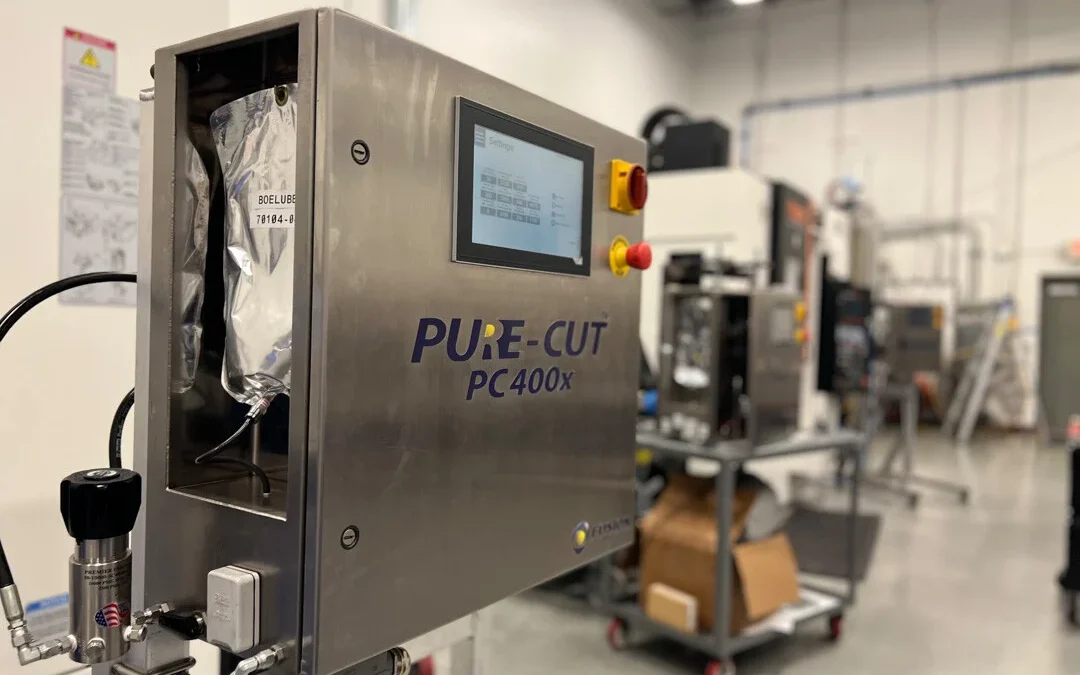
In the world of high-precision manufacturing, CNC cutting has become the backbone of modern production—an essential process that shapes metals, composites, plastics, and advanced alloys with heightened accuracy and unmatched speed. Yet even the most powerful and sophisticated CNC machines face one universal challenge: heat. Excessive thermal buildup can cause tool wear, dimensional inaccuracies, material warping, surface defects, and even complete machining failures. This is exactly why advanced coolant systems have become a critical innovation, forming a new generation of heat-control solutions that optimize machining outcomes at every stage. Instead of functioning merely as a lubrication or cooling medium, today’s coolant technologies behave like engineered thermal management systems—smart, adaptive, and designed to work in harmony with the increasingly complex cutting parameters of modern CNC machinery. Across industries such as aerospace, automotive, medical device manufacturing, electronics, mold and die production, and precision engineering, these advanced coolants are redefining what manufacturers can achieve by enhancing consistency, improving tolerance accuracy, and unlocking faster cutting speeds that would once have jeopardized tool longevity.
What makes advanced coolant systems particularly revolutionary is their ability to manage heat at the micro-interaction level—meaning they operate directly at the point of friction between tool and workpiece. Unlike traditional flood coolants that simply drench the machining area, heat-controlled systems integrate multiple performance elements such as optimized viscosity, engineered thermal conductivity, micro-lubrication layers, and adaptive flow dynamics that respond to real-time machining conditions. High-pressure coolant delivery systems, for example, utilize extremely focused jets of coolant at pressures exceeding 1,000 PSI to evacuate chips instantly and penetrate deep into cutting zones that were previously unreachable. Meanwhile, minimum quantity lubrication (MQL) systems significantly reduce coolant consumption by delivering atomized oil particles that create a friction-reducing coating on cutting tools—allowing for cooler cutting in applications where flood coolant would be excessive or counterproductive. These advancements not only prevent thermal deformation but also enhance chip formation, stabilize machining temperatures, and maintain cutting-edge sharpness even under heavy loads or high-speed machining environments.
Another key advantage of modern coolant technologies is their ability to extend tool life dramatically. When heat is controlled effectively, carbide end mills, inserts, and drills maintain their structural integrity for longer periods, reducing premature wear such as crater wear, flank wear, and edge chipping. Many manufacturers report tool-life improvements ranging from 20% to over 300% depending on the type of coolant system and machining application. Advanced coolant formulations often include engineered additives that provide rust inhibition, foam suppression, extreme pressure lubrication, and anti-microbial properties, ensuring a stable and reliable cutting environment even across long machining cycles. For industries that rely heavily on cutting expensive materials—such as titanium, Inconel, cobalt chrome, hardened steel, or aerospace-grade aluminum—this improvement in tool life translates directly into substantial cost savings. Less downtime for tool changes, fewer rejected parts due to thermal distortion, and a more consistent quality output all contribute to a more profitable and efficient CNC operation.
Beyond performance enhancements, modern coolant systems are also engineered with environmental sustainability and operator safety in mind. Earlier generations of coolants were not only less effective but also often contained chemicals that caused skin irritation, respiratory discomfort, or environmental contamination if not disposed of properly. Today’s advanced coolants are formulated to be biodegradable, low-odor, and free from harmful substances such as chlorine, nitrites, and heavy metals. Many are designed for extended sump life, resisting bacterial growth and reducing the frequency of coolant replacement. This directly lowers operating costs and minimizes the environmental footprint of CNC machining facilities. MQL systems, in particular, contribute to sustainability by drastically reducing the volume of coolant required—often to just a few milliliters per hour. Additionally, the reduced mist levels and cleaner machining environment support healthier working conditions for machine operators, aligning with modern EHS (Environmental, Health, and Safety) standards across global manufacturing sectors.
As CNC operations continue to evolve through automation and digital integration, coolant systems are also adapting through smart monitoring technologies. Sensors can now measure variables such as coolant concentration, pH levels, temperature, flow rate, and contamination levels in real time. These data points are fed into cloud-based platforms or CNC machine dashboards, allowing operators and production managers to respond immediately to fluctuations that could affect part quality or machine performance. Automated coolant-mixing systems ensure the perfect ratio of water to concentrate is maintained at all times, preventing issues caused by overly rich or diluted mixtures. Some facilities even implement AI-powered predictive maintenance, where machine learning models forecast when coolant needs replacing or when filtration systems require servicing. This proactive approach minimizes unplanned downtime, preserves machining accuracy, and sets the foundation for the fully intelligent factories of the future—where every variable in the machining process, including thermal management, is optimized automatically.
Ultimately, advanced coolant systems represent one of the most impactful yet often underappreciated enhancements in the CNC machining industry. While machine rigidity, spindle power, cutting tool geometry, and CAM programming continue to be major contributors to performance, the role of heat management remains fundamental and inescapable. By embracing high-pressure coolant delivery, MQL systems, micro-emulsion coolants, and smart monitoring technologies, manufacturers can achieve cleaner cuts, faster cycle times, superior surface finishes, and higher throughput—without sacrificing tool life or precision. As engineering demands grow and materials become more challenging to machine, the future of CNC cutting will rely increasingly on these sophisticated coolant solutions to maintain both competitiveness and production quality. In a manufacturing landscape where microns matter and efficiency determines success, advanced coolant systems are no longer optional—they are essential to achieving the level of heat-controlled precision that modern industries require.